Stool testing probably isn’t the first thing that comes to mind when you’re dealing with eczema – and that’s completely understandable. When a skin condition shows up on the outside, it feels logical to treat it on the surface.
But if you’ve lived with eczema for any length of time, you’ll know how frustrating it can be when treatments only seem to offer temporary relief.
For many people, the conventional approach involves steroid creams or other medications. These can be very effective at calming symptoms, but they don't necessarily address the wider factors contributing to the inflammation in the first place.
In functional nutrition, we look at the skin as part of a much bigger picture – particularly when it comes to gut health.
Your gut and immune system are in constant communication, and when that relationship is disrupted, it can influence inflammatory responses throughout the body, sometimes showing up in the skin.
One way to investigate what's happening beneath the surface is through comprehensive stool testing, which can provide valuable insight into digestion, gut bacteria, microbial balance and markers of gut inflammation.
Below is a real client case study exploring the potential connection between gut health and eczema.
I hope Becki's story encourages a more root-cause-led approach to understanding skin conditions – one that looks beyond managing symptoms and starts asking a more important question: what might be driving the skin to react in the first place?
Becki’s Story
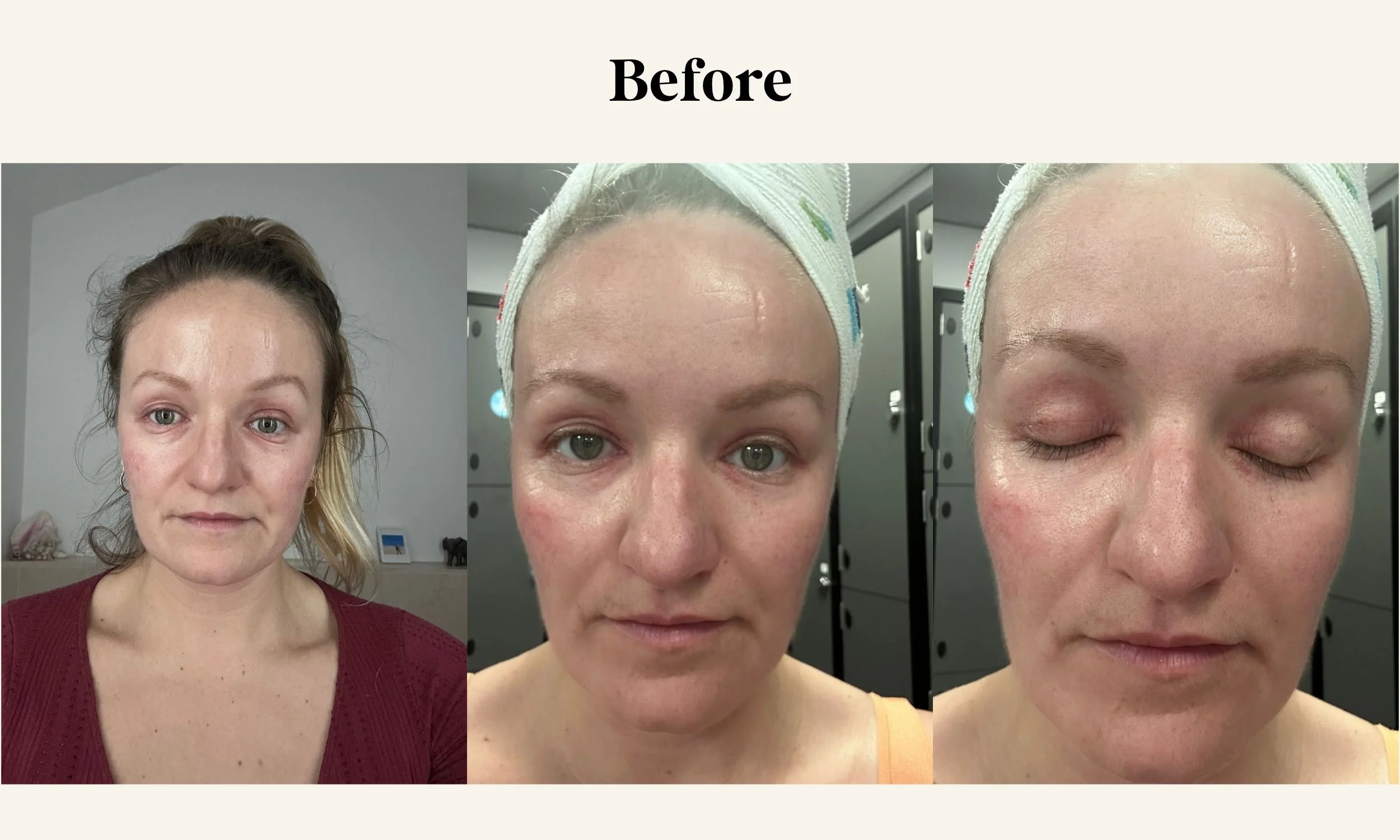
At 35, Becki came to me with extremely inflamed eczema affecting her eyes, face and hands. Her skin was red, intensely itchy and painful, and the constant flare-ups had become difficult to manage.
What made it particularly frustrating was that Becki had never previously suffered from eczema long-term. She had no idea where it had come from or what had triggered it.
Initially, she tried the usual approach: applying creams and ointments, replacing her old make-up and removing jewellery in case these were contributing to the irritation. But despite her efforts, the underlying cause remained unclear.
I suggested we look a little deeper by investigating her gut health and potential food sensitivities. We arranged comprehensive stool testing alongside food intolerance and allergy testing to build a better picture of what might be contributing to her symptoms.
What did Becki’s test results reveal?
The results highlighted several areas of concern.
Her stool test showed a significant imbalance in her gut microbiome, with an overgrowth of less beneficial bacteria, alongside evidence of Candida and parasites.
Her testing also highlighted a number of food reactions, suggesting that her immune system was responding to a broad range of triggers.
Taken together, these findings gave us a much clearer picture of what might be contributing to the inflammation we were seeing on her skin.
The gut plays an important role in immune regulation, with 80% of the body’s immune activity associated in the gut. When the gut microbiome is disrupted, it can influence immune signalling and inflammatory responses throughout the body.
For Becki, we wanted to address these underlying imbalances rather than simply focus on calming the eczema externally.
Our approach: calming inflammation and restoring gut balance
We worked through a structured three-stage approach.
1. Calming the immune response
Our first priority was to reduce the number of potential triggers placing additional demands on her system. We temporarily removed the foods identified as reactive, giving us an opportunity to reduce possible dietary contributors to inflammation.
Importantly, this wasn't intended to be a restrictive diet forever. As her symptoms improved, we were able to successfully reintroduce these foods without the same reactions.
2. Addressing gut imbalances
Next, we used a targeted protocol of natural antimicrobials to address the bacterial, yeast and parasitic findings identified in her stool test.
The aim was to reduce the microbial imbalances and create a healthier environment for beneficial bacteria to thrive.
3. Repairing and rebuilding the gut
Finally, we focused on supporting the gut lining and rebuilding a more diverse, balanced gut microbiome.
This stage was all about creating the foundations for better digestion, a healthier microbial environment and more balanced immune function.
The results: a dramatic improvement in just four months
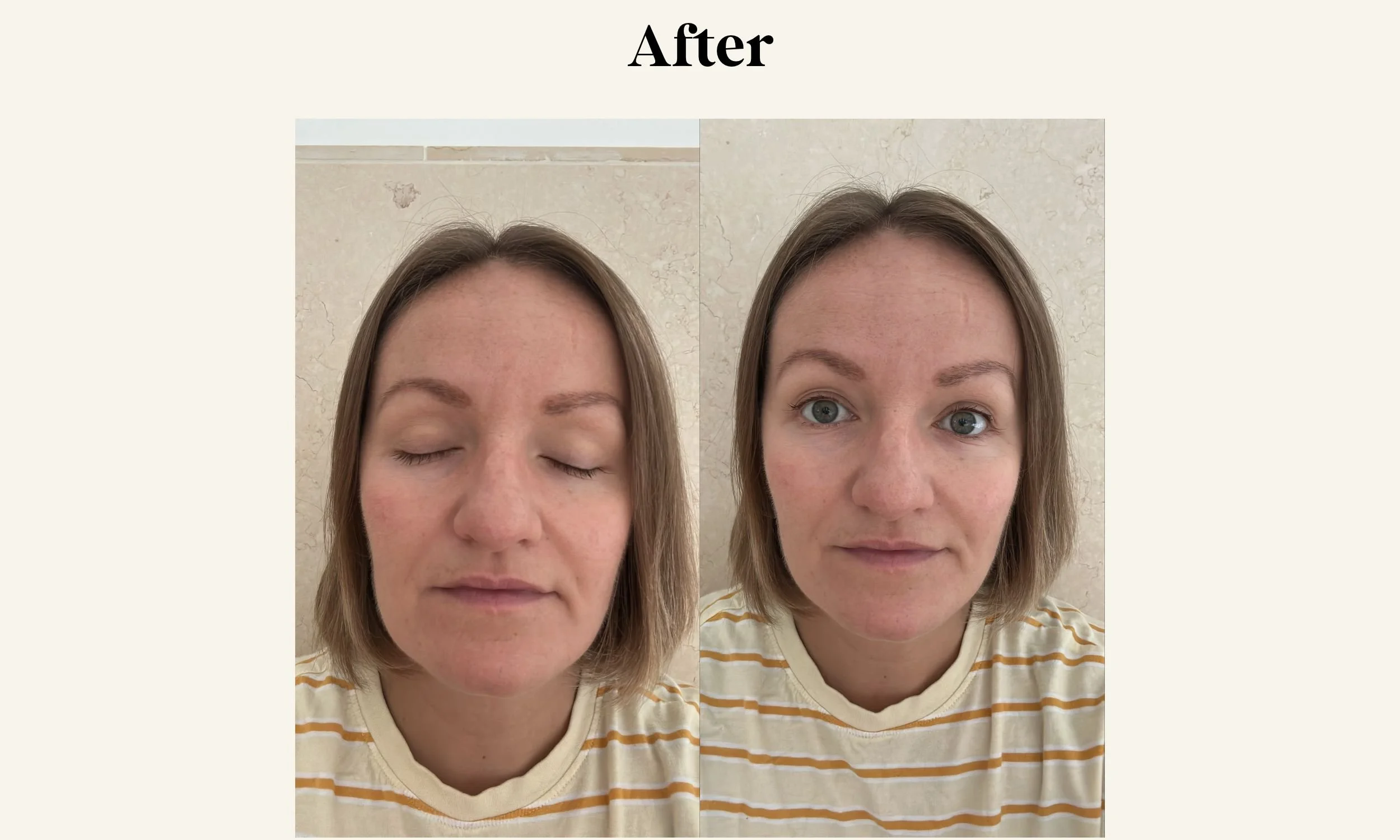
Over the course of four months, Becki saw a dramatic improvement in her skin.
The redness, irritation and inflammation reduced significantly, and the difference is clear when you compare her before and after photographs.
For Becki, looking beyond the skin was an important part of understanding what was driving her symptoms.
Her case is a great example of why I believe it's worth considering gut health when investigating persistent or unexplained skin problems. Eczema is complex and can have multiple contributing factors, but sometimes the clues we need aren't visible on the surface.
Could your gut be contributing to your skin symptoms?
If you're struggling with eczema, recurring skin flare-ups or unexplained inflammation, it may be worth looking beyond topical treatments and exploring whether your gut health could be playing a role.
Comprehensive stool testing can provide valuable insight into your gut microbiome, digestion and certain markers of gut inflammation, helping us build a more personalised picture of your health.
If you'd like to explore what's potentially driving your eczema or other skin symptoms, I'd love to help.
Book a call with me and we can discuss your symptoms, explore whether gut health testing might be appropriate, and talk about how we could work together to support your skin from within.