How to Make Acid Reflux Go Away, For Good: A Root-Cause Approach
Acid reflux can be more than uncomfortable - it can feel relentless, disrupt your meals, and leave you anxious about every bite. You might think the main cause of heartburn is too much stomach acid, but often the real culprit is too little acid, or acid in the wrong place. In this article, we’ll explore why reflux happens, the surprising root causes, common misconceptions, and practical strategies for lasting relief. By the end, you’ll understand how to restore healthy digestion, reduce reflux naturally, and feel confident not carrying antacids around with you all the time!
Common Misconceptions About Acid Reflux and GERD
Many believe that acid reflux or GERD is simply a result of having “too much acid.” This seems to make sense due to the burning sensations, however it’s just not true. In reality, what’s happening is:
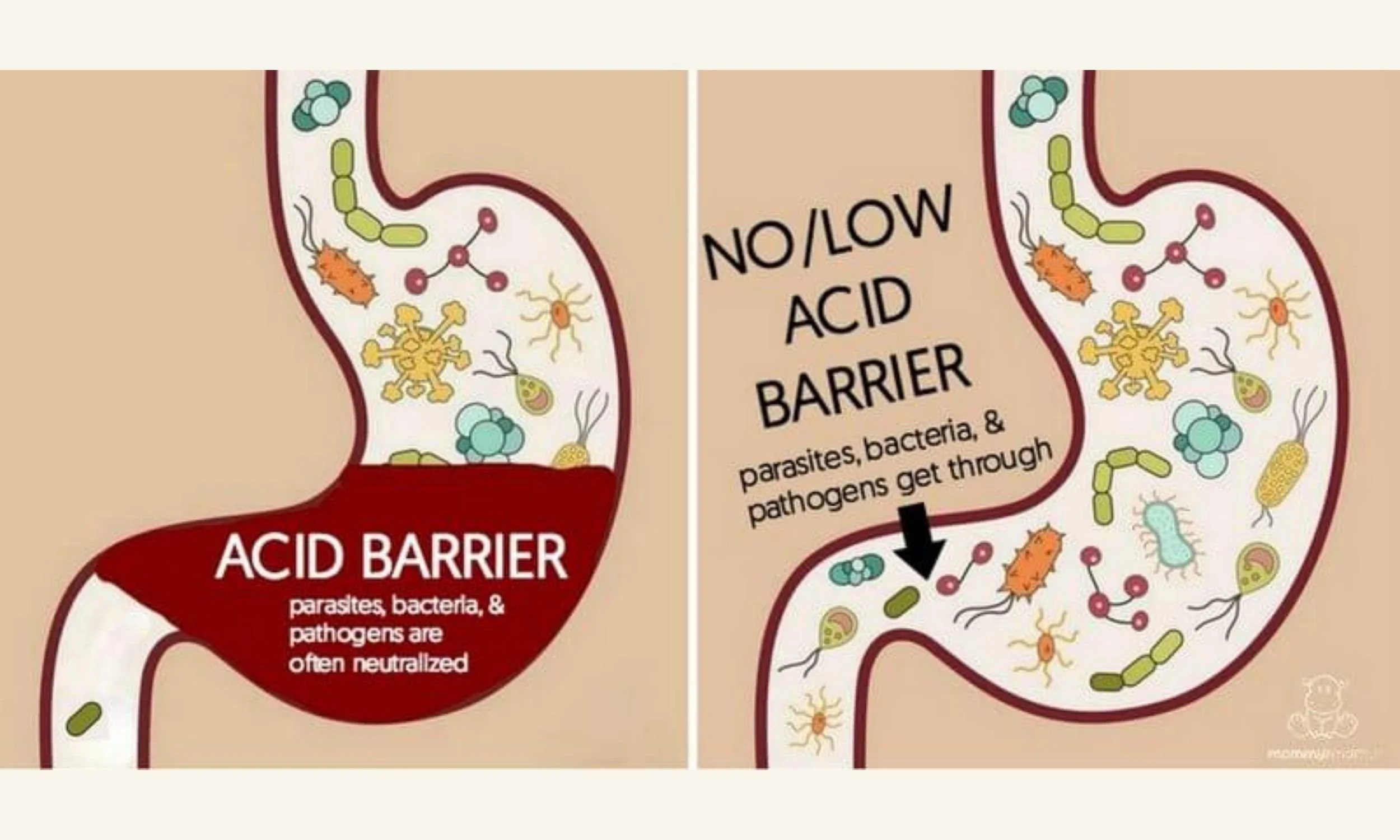
You have low stomach acid (HCl) which prevents food from breaking down properly (especially protein).
Undigested food sits in the stomach longer, allowing bacteria to ferment it, producing gas and bloating (think about that familiar post-meal belching, bloating, or stinky gas)
You experience increased intra-abdominal pressure which can push stomach contents - including acid - upwards, causing the burning sensation we call reflux.
Acid reflux isn’t just an acid problem - it’s a digestive function problem. But the good news is, it can be resolved without long term medication or a lifetime of swigging Gaviscon! Let me share how…
Understanding the Main (Root) Causes of Reflux and GERD
1. Low Gastric Acid and Poor Gastric Emptying
Without enough stomach acid, protein digestion is impaired, and the stomach empties slowly. This delays the movement of food into the small intestine, creating pressure that can push acid upward. Like a domino effect, this poor protein digestion then affects all of the digestion that should follow (carbohydrates, sugars, fats, and fibre).
2. Microbial Overgrowth in the Stomach
When undigested food sits too long, bacteria putrefy food and proliferate, producing gas and fermentation. This leads to:
Stinky gas
Bloating soon after meals
Increased intra-abdominal pressure
Feeling very full after eating
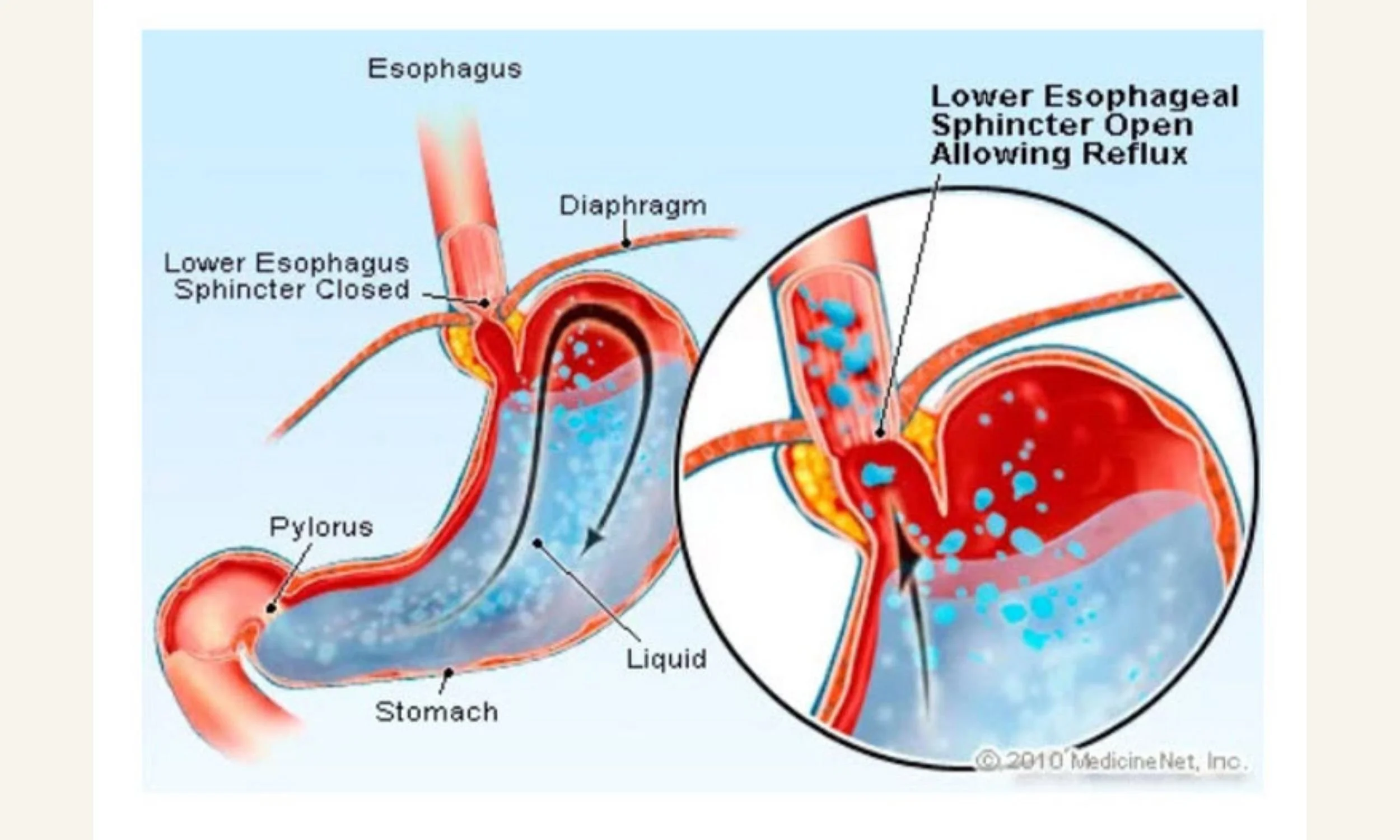
3. Lower Oesophageal Sphincter (LES) Dysfunction
The LES is a valve at the base of the oesophagus that keeps stomach contents from escaping. It should have a good ‘tone’ so that it opens when needed, and closes when food is in the stomach. Factors that reduce its tone include:
Poor vagal nerve signalling (think chronic stress and being in ‘fight or flight’ a lot)
Overeating (hello second helping of dinner and a cheeky pud)
Inflammation from diet or stress (caused by food sensitivities and an imbalanced microbiome)
A weak LES allows acid to rise, causing classic reflux and GERD symptoms.
4. Sluggish Bowel Motility and Bile Reflux
Slow transit through the intestines exacerbates fermentation and gas. Bile reflux can irritate the oesophagus and worsen discomfort. Together, these factors amplify reflux symptoms.
This research article explains further about the complex nature of reflux, and how it’s not about ‘just too much acid’!
The Role and Risks of PPIs and chronic low stomach acid
Proton Pump Inhibitors (PPIs) like Omeprazole, are often prescribed for short-term relief of acid reflux and GERD - and they often do help in the beginning. However, while they reduce symptoms, we know that long-term use carries significant consequences, such as:
Reduced protein digestion - this will affect downstream digestion and leave you malnourished and feeling fatigued
Impaired absorption of iron, B12, calcium, magnesium - mineral absorption for healthy bones, and B12 absorption for a healthy nervous system all require a good amount of stomach acid
Increased dysbiosis and susceptibility to SIBO - we swallow over 100 billion bacteria each day! If we don’t have enough stomach acid to kill the harmful ones off, they end up in our small and large intestines where they can cause more havoc (leading to IBS, food sensitivities, more bloating, and pain)
More post-meal bloating - due to the bacterial fermentation and food putrefaction in the stomach and small intestine
Longer term, there are associations with dementia, chronic kidney disease, increased fracture risk, and systemic inflammation.
Unfortunately, PPIs can mask the underlying digestive dysfunction rather than fixing it. Recent studies are now beginning to question their effectiveness in treating GERD and reflux in the long term.
Evidence-Based Strategies to Resolve Acid Reflux
The most effective approach targets the root causes rather than just suppressing symptoms. Working with a practitioner like me can guide you through this process, but there are certainly things you can try doing from today!
1. Restore Healthy Gastric Acid Production
Working with a practitioner like me can help to:
Assess stomach acid levels in your unique case
Use targeted strategies to increase stomach acid levels (like betaine HCl supplementation if appropriate)
Identify any missing cofactors needed to produce more stomach acid and support bile flow
Improve protein digestion and nutrient absorption
2. Practice Good Meal Hygiene
You can start trying out these practices now!
Sit down and breathe before meals to activate the ‘rest-and-digest’ nervous system
Chew thoroughly to stimulate digestive enzymes (food should be like mush before swallowing)
Avoid drinking large amounts during meals
Eat smaller meal portions rather than overeating
Reduce stress and multitasking while eating - eat mindfully, or in community with friends/colleagues
Try and finish eating 3 hours before bedtime, and don’t lie down within 30 minutes of eating a meal

3. Support Vagal Tone
A strong vagus nerve improves Lower Oesophageal Sphincter tone, motility, and digestive signalling. You can strengthen vagal tone by:
Slow, deep breathing - try and incorporate this regularly throughout your day, particularly if you’re prone to being in ‘fight-or-flight’mode
Humming or gargling - try humming in the shower or the car, and gargling with water after brushing your teeth
Gentle post-meal movement
Taking time out and doing things you love! We all relax more when we’re enjoying ourselves, and this naturally shifts us into ‘rest-and-digest’
Related reading: The Stress-Gut Cycle
4. Promote Gastric and Bowel Motility
Include fibre-rich foods gradually - increase by 3g a week, and aim for 40g per day in the long term
Support hydration - with electrolytes
Avoid long periods of inactivity
Address any underlying microbial imbalances with professional guidance - read more about the functional tests I offer to explore these.
By addressing the cause - rather than masking symptoms - you can reduce reflux, bloating, and post-meal discomfort while improving nutrient absorption and overall gut health.


I’m here to help
If you’ve been struggling with reflux and want to get to the root cause quickly, I can help to assess your digestion, restore stomach acid, and support your gut health so that you stay healthy and comfortable for the long term.
Take this short quiz to see if your reflux and GERD is likely caused by low stomach acid.
Book a discovery call today and we’ll explore together the first steps you need to take to restore your digestive function
FAQs About Acid Reflux/GERD
Q: Can acid reflux be cured permanently?
A: Many cases can be resolved by addressing the underlying digestive dysfunction, supporting stomach acid, motility, and gut health—not just suppressing symptoms.
Q: What foods neutralise stomach acid immediately?
A: Alkaline foods like bananas, oats, and non-citrus vegetables can temporarily soothe symptoms, but long-term relief comes from improving digestion.
Q: How fast can acid reflux improve with lifestyle changes?
A: Some people notice symptom relief within days of meal hygiene and vagal tone practices, but lasting results require addressing root causes over weeks to months.
Q: Are PPIs safe long-term?
A: PPIs are generally intended for short-term use. Long-term use can impair digestion, nutrient absorption, and increase the risk of gut dysbiosis and other health issues.
Q: What can I drink to ease acid reflux?
A: Whilst this isn’t for use long term (you need to address the main causes of acid reflux instead), you can mix a small amount of bicarbonate of soda in water and drink. This should give you some short-term relief, but won’t resolve the issue overall.
Stay in the loop
If you’d like simple, science-backed strategies to improve digestion, reduce reflux, and reclaim energy - sign up for my monthly newsletter for practical tips straight to your inbox (I don’t send spam - only useful clinical advice and research)