Could SIBO Be Causing Your Bloating and Gas?
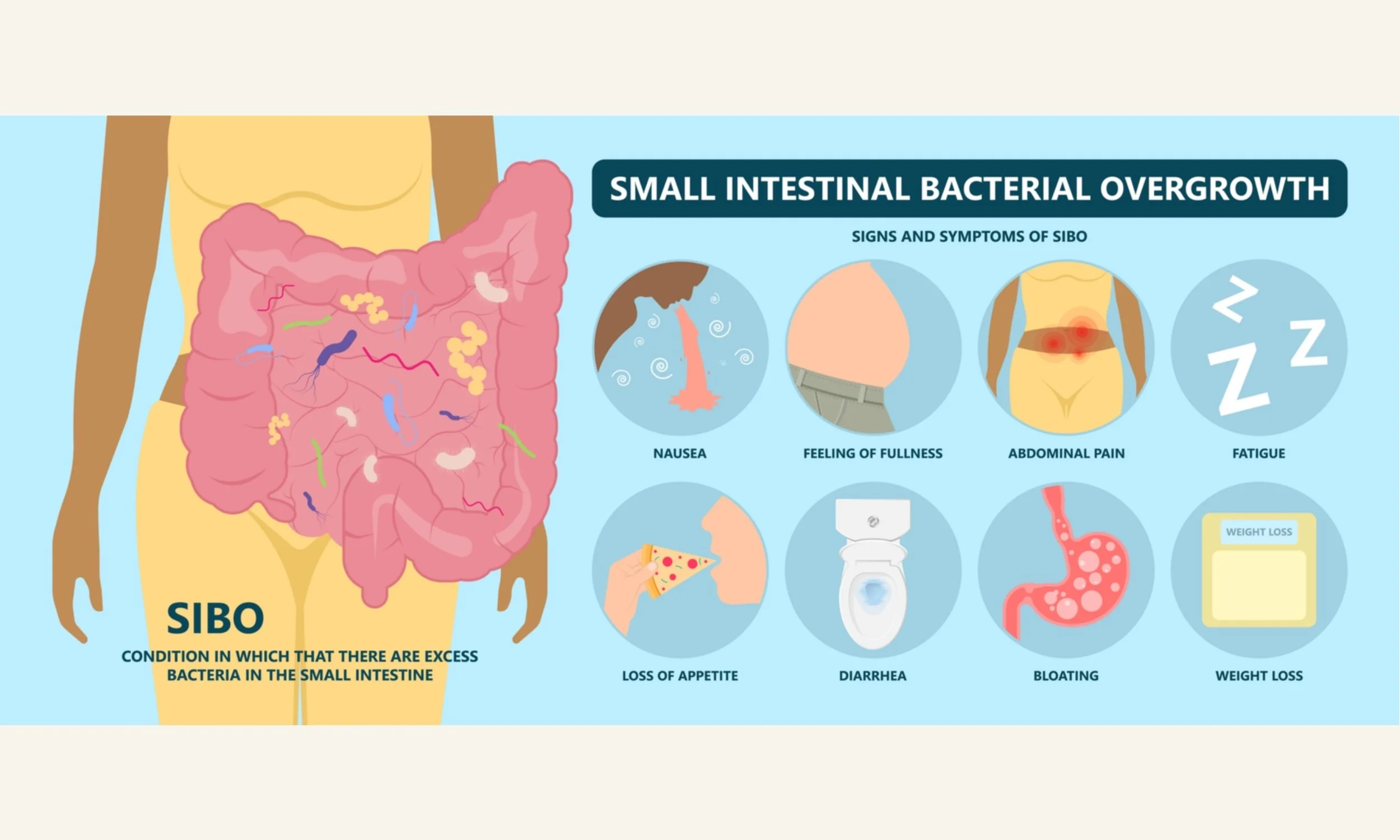
Do These SIBO Symptoms Sound Familiar?
You’re here because you’re bloated again and wondering whether it’s normal, triggered by the food you just ate, or if there’s something deeper going on. Small Intestinal Bacterial Overgrowth (SIBO) can show up in many ways, not just digestive discomfort.
You may experience one or more of these symptoms:
Persistent or evening bloating (often looking several months pregnant)
Excessive gas or pressure after meals
Abdominal pain or cramping
Constipation, diarrhoea, or alternating bowel habits
Feeling uncomfortably full after small meals
Food sensitivities that seem to change week to week
Fatigue or brain fog after eating
Reflux, nausea, or poor appetite
Nutrient deficiencies despite eating well
Symptoms that worsen with stress or travel
If you’re nodding along, SIBO may be a missing piece of the puzzle for you.

How can SIBO Cause Constant Bloating?
As summarised in this recent scientific review, small intestinal bacterial overgrowth (SIBO) occurs when bacteria that usually belong in your large intestine start thriving in your small intestine. This early fermentation produces excessive hydrogen, methane, or hydrogen sulphide gases, leading to bloating that may come and go - or feel relentless. When bacteria move in too early in your digestive tract, they begin fermenting carbohydrates before your body has had a chance to absorb them. This fermentation produces gas, which stretches the intestinal walls and leads to bloating, pressure, and pain.
The good news is that when you understand your SIBO type, how it affects digestion and gut motility, and why it developed in the first place, lasting relief becomes possible. In this article, we’ll explore what SIBO is, common root causes, how the small and large intestines differ, testing options, and a clear framework for healing - so you can reclaim comfort, energy, and confidence.
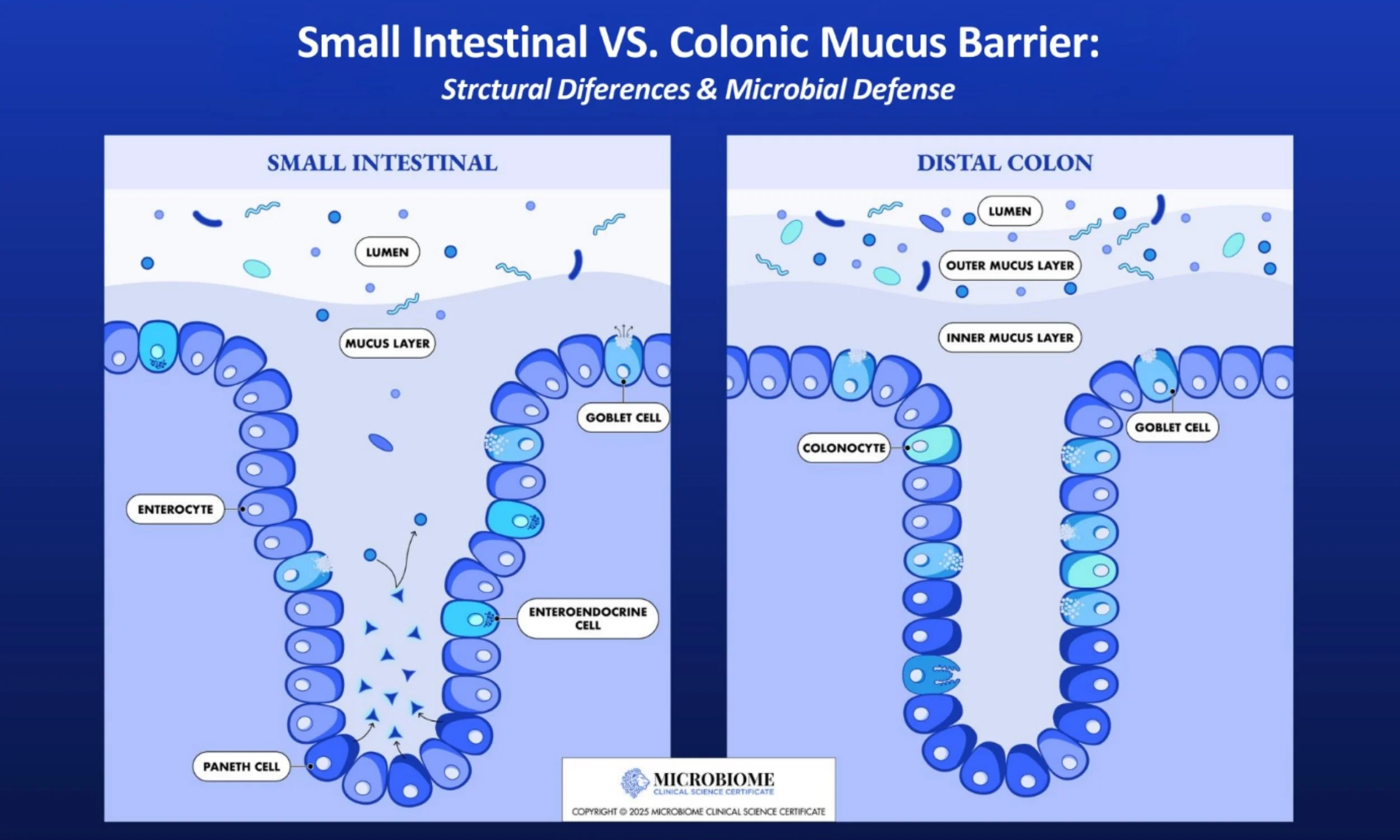
Small Intestine vs Large Intestine: Why Location Matters
Understanding the difference between these two organs is key to understanding SIBO.
The Small Intestine
Primary role: digesting food and absorbing nutrients
Length: ~6 metres
Bacterial load: low
Environment: fast-moving, digestive enzyme- and bile-rich
The small intestine is designed to move food along efficiently, extracting amino acids, fats, vitamins, and minerals. Too many bacteria here interfere with absorption and trigger gas production.
The Large Intestine
Primary role: fermenting fibre to feed the microbiome (your ecosystem of gut bacteria)
Length: ~1.5 metres
Bacterial load: very high
Environment: slower transit, ideal for fermentation
This is where fibre should be fermented, producing beneficial short-chain fatty acids that nourish the gut lining and support immune and metabolic health.
With SIBO, bacteria create fermentation in the wrong place at the wrong time - leading directly to bloating and gas.
The Different Types of SIBO
Identifying your SIBO type is essential for effective, personalised treatment.
Hydrogen-Dominant SIBO
Often associated with diarrhoea, urgency, and cramping
Caused by bacteria fermenting carbohydrates rapidly
Gas tends to build quickly after meals
Methane-Dominant SIBO (IMO)
Commonly linked to constipation, hard stools, and severe bloating
Methanogens consume hydrogen and release methane
Methane slows gut motility, worsening symptoms over time
Hydrogen Sulphide SIBO
May cause nausea, loose stools, reflux, or foul-smelling gas
Often triggered by sulphur-rich foods
Hydrogen sulphide can irritate the gut lining and nervous system
Many people have overlapping patterns, which is why testing matters.
Root Causes of SIBO: Why It Persists or Keeps Coming Back
SIBO doesn’t appear out of nowhere - and it’s rarely caused by food alone. Long-term relief depends on addressing these underlying drivers.
Common root causes include:
Impaired gut motility (often stress-related or post-infection)
Chronic stress and nervous system dysregulation
Low stomach acid or inadequate digestive enzymes
Previous food poisoning (post-infectious IBS)
Hypothyroidism or metabolic slowdown
Structural issues (adhesions, caesarean sections, endometriosis)
Overuse of antibiotics or acid-suppressing medication
Restrictive dieting or long-term low-calorie intake
Without addressing root causes, SIBO is likely to recur - no matter how many antimicrobials are used to ‘kill’ bacterial overgrowth.
How We Test for SIBO
The gold standard is a SIBO breath test, which measures hydrogen & methane gases after consuming a specific sugar solution. This is a straightforward test you can do at home.
The timing and pattern of gas production reveal:
Whether SIBO is present
Which gases are dominant
How quickly fermentation is happening (ie the upper, middle, or lower part of your small intestine)
Functional stool testing can also provide valuable insight into:
Large intestinal microbiome balance
Gut barrier integrity
Inflammation and digestive capacity
Other SIBO root causes
Read about SIBO testing services I offer.
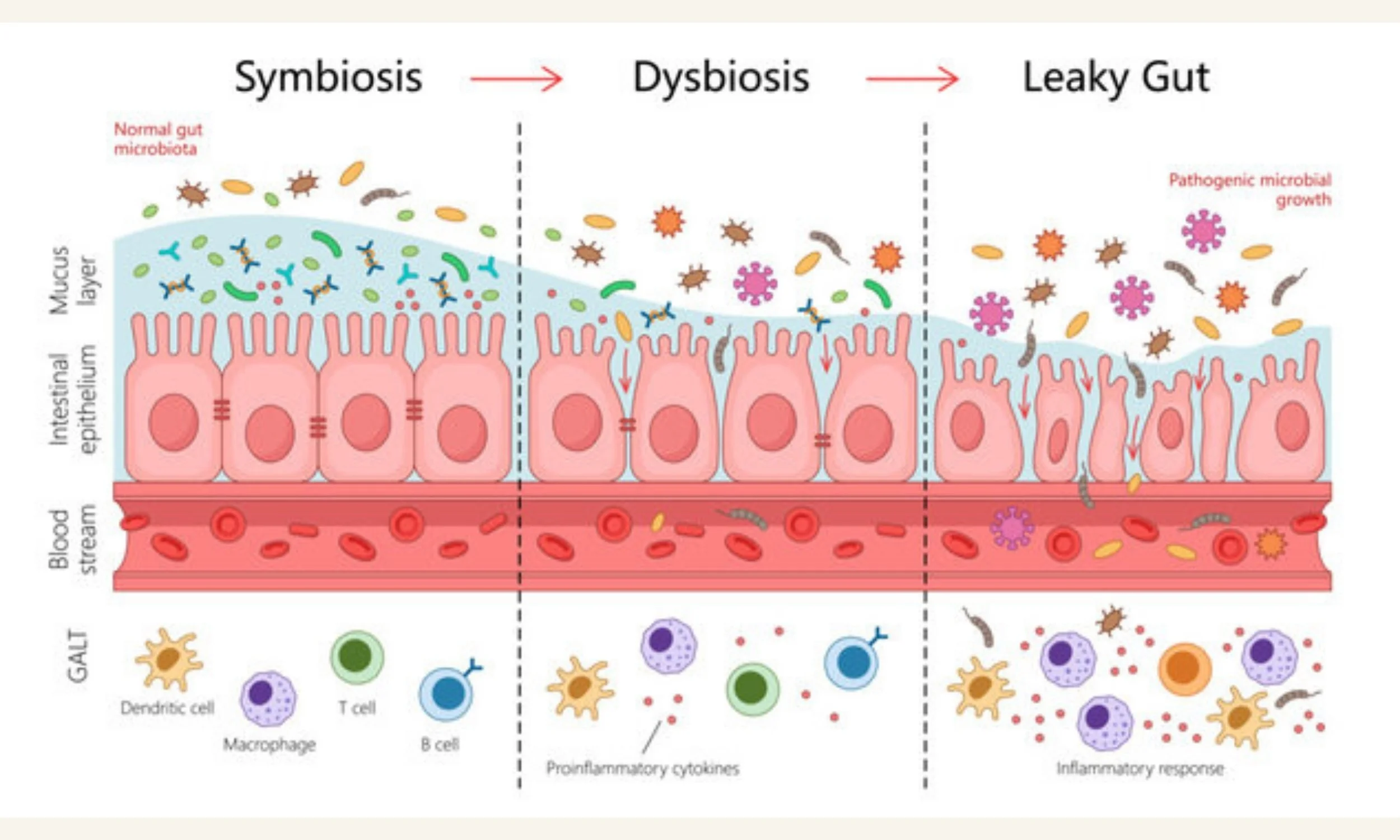
How SIBO Affects Your Gut Barrier and Microbiome
SIBO rarely stays confined to the small intestine. Over time, it can disrupt your entire gut ecosystem by:
Depleting beneficial colon bacteria
Reducing short-chain fatty acid production
Increasing intestinal permeability ("leaky gut") and disrupting gut barrier function
Reducing nutrient absorption in the small intestine which can often lead to fatigue, skin issues, hormone imbalance and more
Driving systemic inflammation and non-gut symptoms
Think of it as a traffic jam: when the small intestine is congested, everything downstream struggles.
How Do You Reduce SIBO Gas? A Phased Healing Framework
Healing SIBO is about restoring function, not just killing bacteria. These are the steps we take together:
1. Support Digestion
Optimise stomach acid, bile, and pancreatic enzymes
Eat slowly and chew thoroughly
Adjust protein, fibre, and carbohydrate portions if digestion is weak
2. Restore Gut Motility
Structured meal timing (4–5 hour gaps)
Overnight fasting
Prokinetic support where appropriate
Download my resource on how to support healthy, daily bowel motility here.
3. Target Bacterial Overgrowth Strategically
Herbal antimicrobial approaches when indicated
Only once digestion and motility are supported
4. Rebuild the Microbiome Gently
Gradual introduction of slow-fermenting fibres
Avoid overwhelming the small intestine too early
5. Support the Nervous System
Prioritise sleep and stress regulation
Breathwork, gentle movement, and vagal tone support
This is how to sustainably reduce bloating - without cycling through endless eliminations. It’s important to get the support of a gut practitioner like Ellie to make sure you’re specific root causes and imbalances are effectively addressed.

Take Control of Your Gut Health
If you’re tired of second-guessing food choices or feeling worn down from constant bloating and discomfort, you don’t have to do this alone. You can start by taking my IBS Root Cause Quiz or better yet, book a discovery call with me to explore how we can work together to heal your gut symptoms for good.
Read what my clients have to say about their healing journey.
FAQs About SIBO, Bloating, and Gas
Can SIBO cause constant bloating?
Yes. If fermentation is happening continuously- especially with poor motility - bloating can feel relentless.
Does SIBO bloating come and go?
Absolutely. Symptoms often fluctuate with food choices, stress levels, and transit time. A lot is also dependent on the quality of your digestion too - and how much partially digested food is able to pass into the small intestine to further ‘feed’ bacterial overgrowth.
Is SIBO permanent?
No. But lasting relief requires addressing root causes, not just suppressing bacteria.
Join the Community
Want practical, science-led gut health guidance without the overwhelm? I share expert insights on SIBO, IBS, and digestive resilience each month. Join my community to stay equipped with the latest gut-healing know how from yours truly